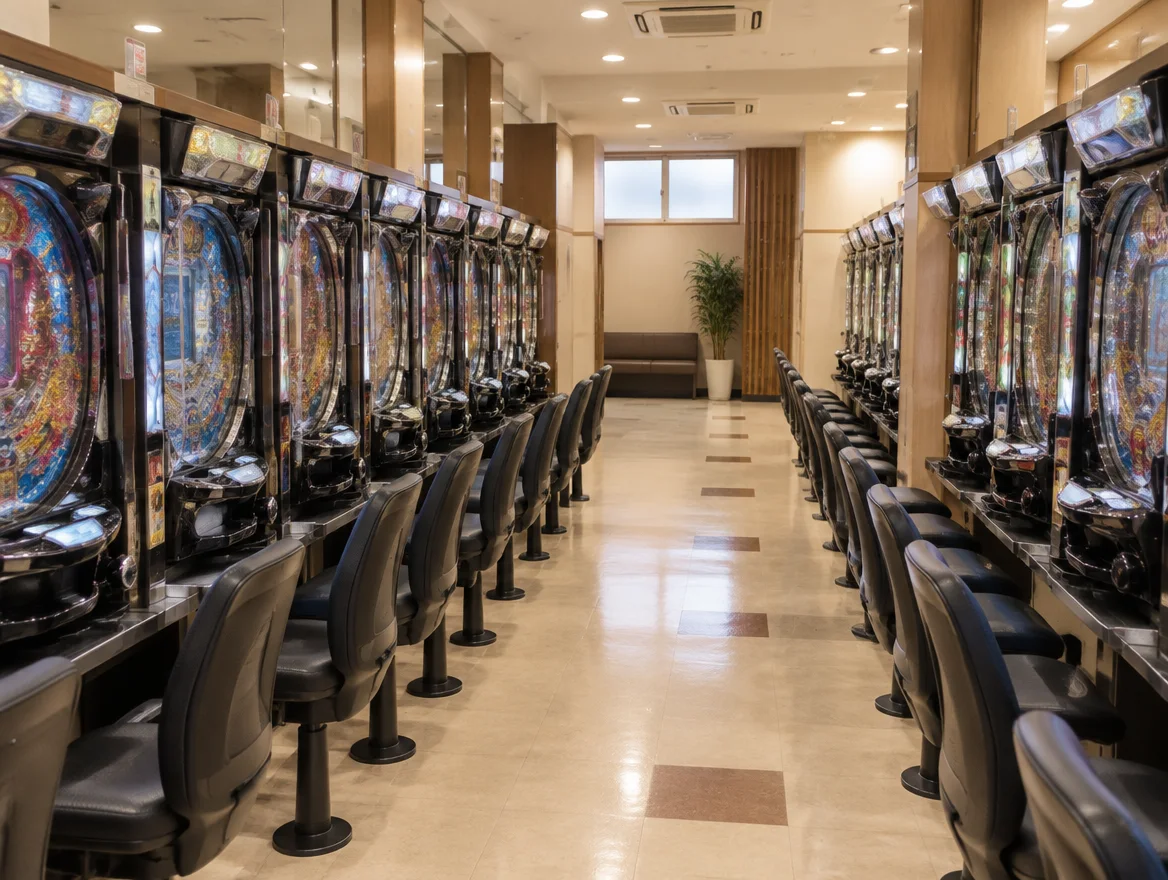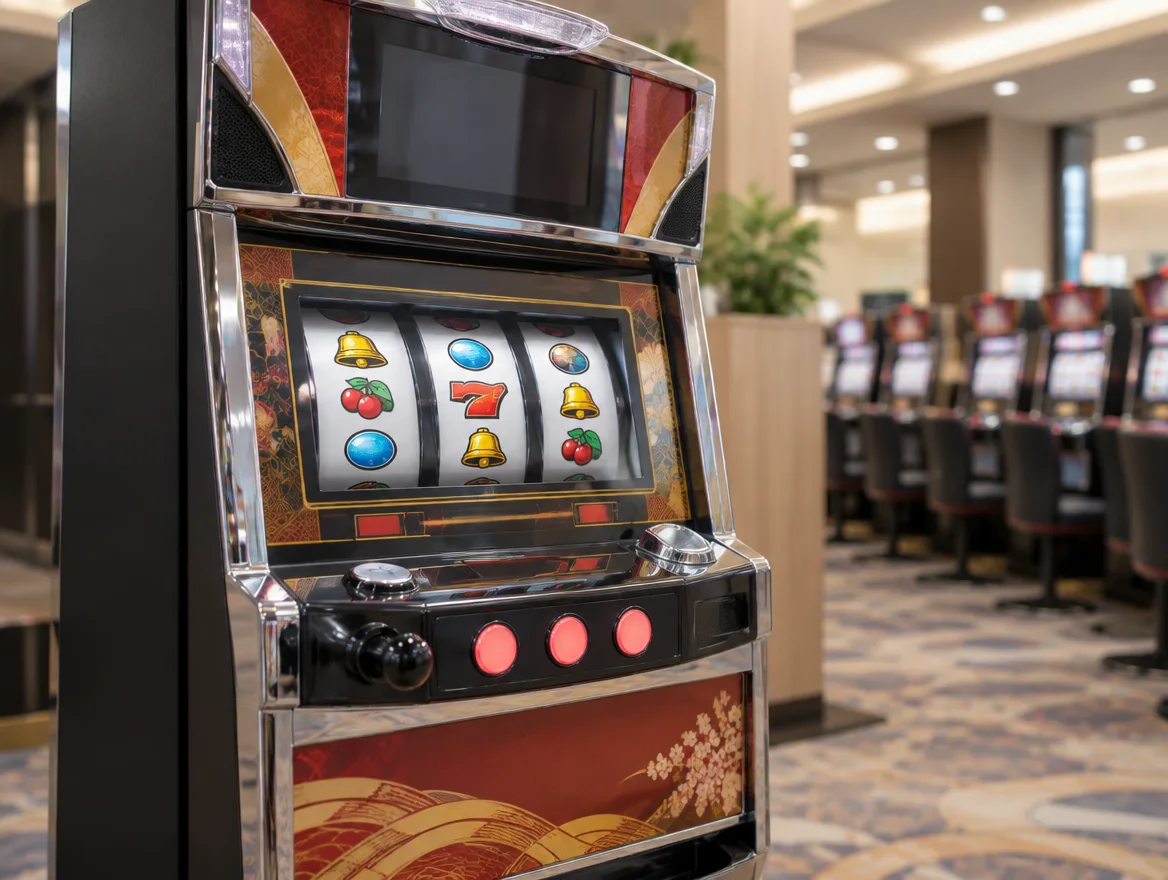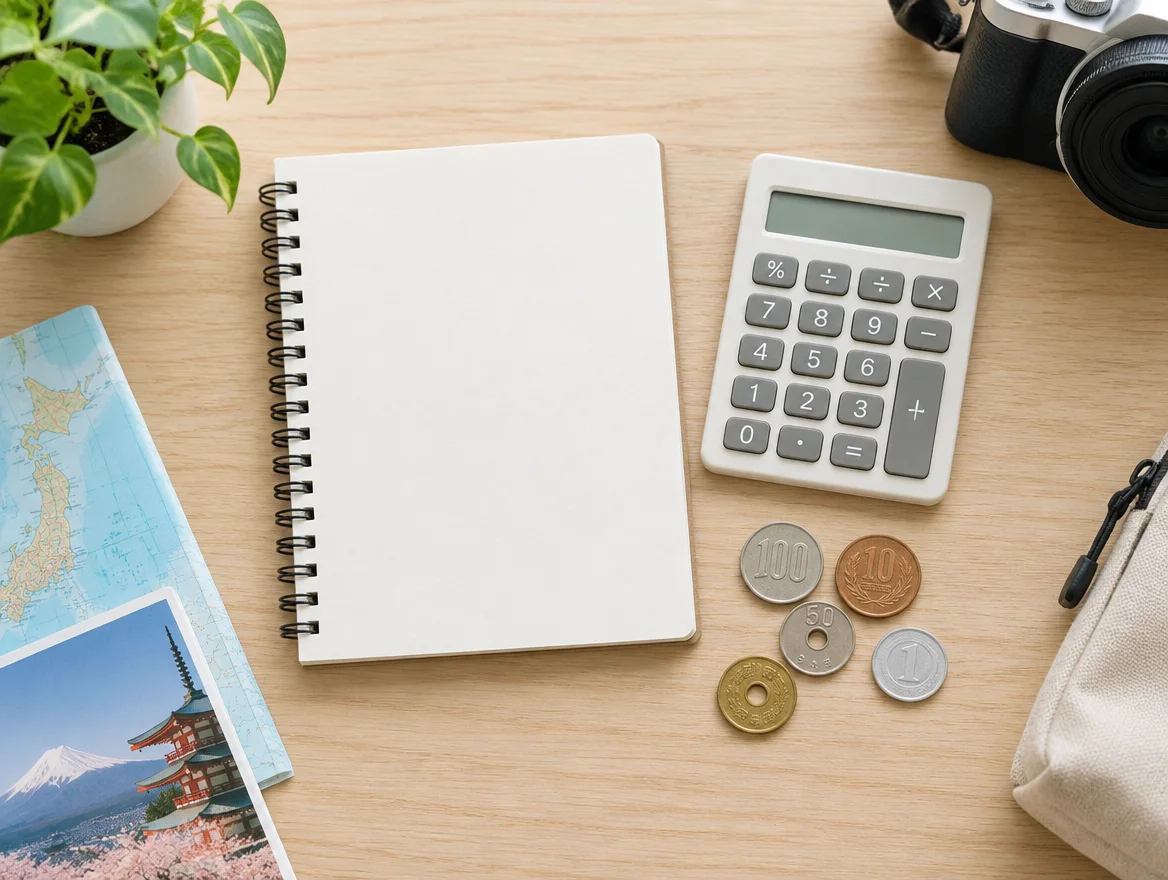
Pachinko is entertainment you pay for, like a karaoke booth or an arcade, except the bill isn’t fixed. The way to keep it fun is to decide what it costs before you walk in. Here’s a five-step plan.
1. Decide the yen
Pick a number for this visit, or for the month if you live in Japan. Treat it as the price of the experience, not a stake you expect back. Write it down or tell a friend; GambleAware suggests both as ways to stick to it (GambleAware).
2. Decide the time
Set an alarm on your phone. GambleAware notes that the longer people gamble, the more they tend to lose, and recommends a time limit and regular breaks (GambleAware). For a first visit, an hour is plenty to get the idea.
3. Choose a cheaper rate
The rate is the price of one ball or medal, and the legal maximum is ¥4 per ball and ¥20 per medal, plus tax (e-Gov). A 1-yen corner makes the same budget last about four times as long. See 1-yen vs 4-yen pachinko.
4. Know how fast it can go
The rules for pachinko machines allow a launch rate of up to 100 balls a minute (e-Gov, Appended Table 4). Our arithmetic:
| Rate | Balls fired per minute (maximum) | Value of balls per minute (maximum) |
|---|---|---|
| 4-yen | 100 | ¥400 |
| 1-yen | 100 | ¥100 |
Balls that land in pockets pay some back, so real spending is usually slower, but it can still be quick. On a 4-yen machine, ¥500 rents 125 balls (DMM), which at the maximum launch rate is less than a minute and a half of play before any returns.
5. Take only that cash
Dispensers take banknotes; DMM Pachitown’s English guide says balls can only be rented with cash notes (DMM). So bring your budget in notes and leave cards and spare cash at the hotel. When the notes are gone, you’re done.
At the machine
- Don’t chase. If you’ve hit your limit, walk away. Trying to win back losses usually leads to bigger losses (GambleAware).
- No jackpot is “due”. Each spin is random. See is pachinko gambling?.
- A win isn’t a bigger budget. If you win, swap your balls for prizes and enjoy the souvenir. Prizes explained.
- Go easy on drinks first. GambleAware warns alcohol makes limits harder to keep.
A simple worksheet
| Your plan | |
|---|---|
| Total yen for this visit | ¥ ______ |
| Rate | 1-yen / 4-yen / 5-yen slot / 20-yen slot |
| Start time / stop time | ____ / ____ |
| Who knows my limit | ______ |
There’s a printable version in our first visit cheat sheet.
More: what pachinko costs · first visit, step by step.
Quick answers
How much money should I bring for pachinko?
Only an amount you'd happily spend on an evening's entertainment and can afford to lose entirely. There's no right number; decide it before you go, not at the machine.
How fast can you spend money at pachinko?
Japanese rules allow a pachinko machine to fire up to 100 balls a minute. At 4 yen a ball that's up to ¥400 of balls a minute before any come back; at 1 yen it's up to ¥100. Balls that win back slow this down, but you should plan for the money going.
Can I use a card or IC card?
Ball and medal dispensers generally take banknotes. DMM Pachitown's English guide says you can only rent balls with cash notes, so bring the cash you've budgeted and leave the rest of your money elsewhere.
Sources
- GambleAware – Advice to consider if you're gambling
- e-Gov – 遊技機規則 (Rules on Gaming Machines), Appended Table 4: launch rate up to 100 balls per minute (Japanese)
- e-Gov – 風営法施行規則, Article 36: rental caps (Japanese)
- DMM Pachitown – Pachinko beginner's guide (English)
Facts on this page were last checked against these sources on 4 October 2026. Rules, prices and venues change, so always follow the signs and staff at the venue.