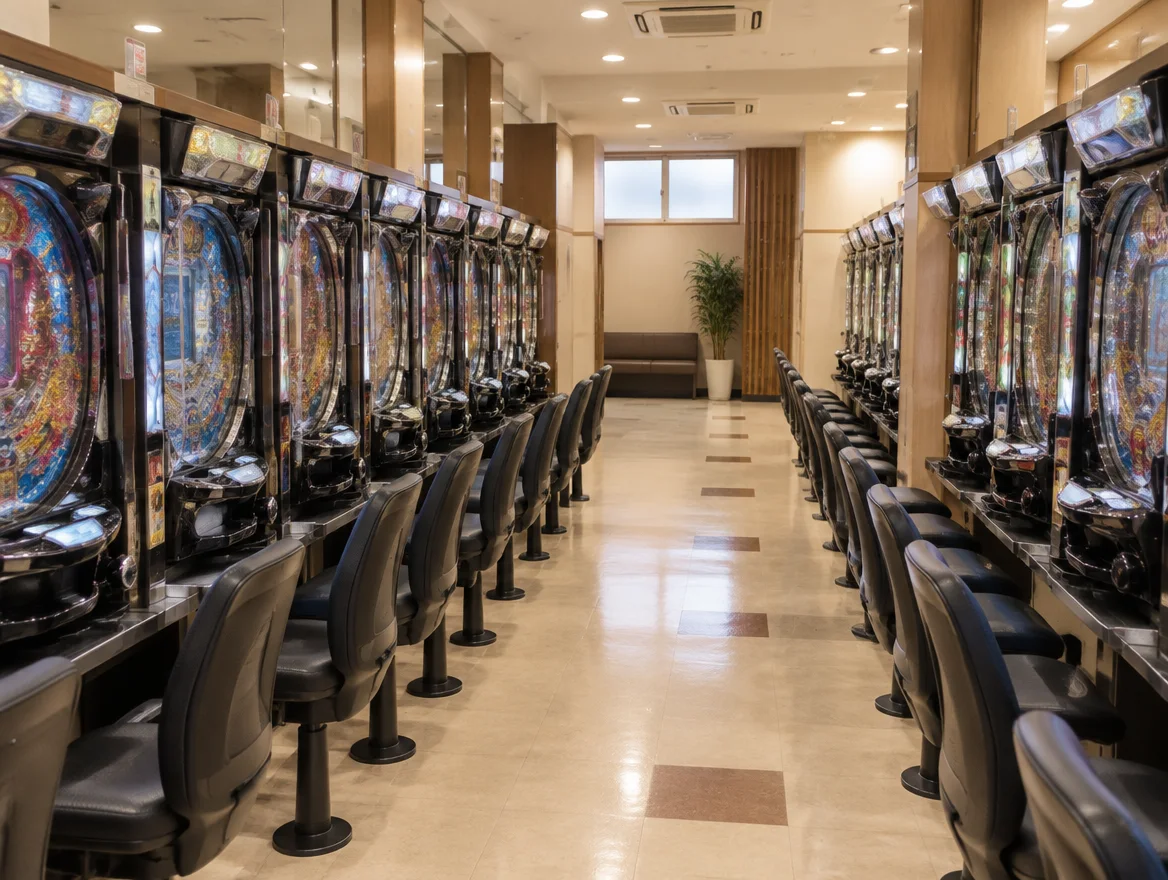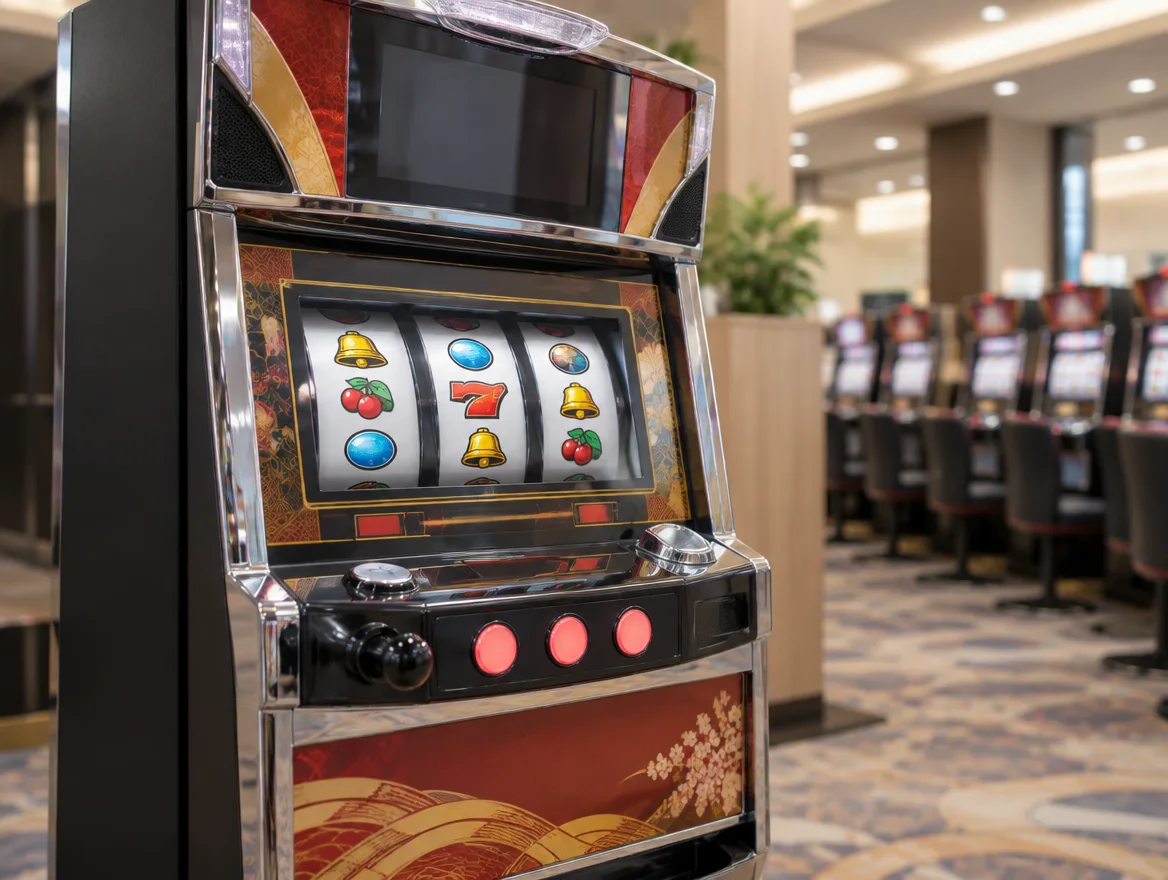
“How can pachinko be legal if gambling is illegal in Japan?” It’s a classic question on Reddit’s Japan forums. The honest answer has two parts: how the law treats pachinko, and how it works in practice.
Part 1: Pachinko halls are licensed amusement businesses
Pachinko parlours operate under the Act on Control and Improvement of Amusement Business (風俗営業等の規制及び業務の適正化等に関する法律, usually shortened to 風営法, Fūeihō). Full text: e-Gov. Under this law:
- each prefecture’s public safety commission decides whether to license an operator, checking for things like links to organised crime, the location and the premises;
- operators must follow rules on hours, lighting, noise, advertising and which machines can be installed, and machines that “may significantly stimulate the desire of customers to gamble” are not allowed (Pachinko Industry Web Reference).
Pachinko and pachislot halls are what the law calls “item 4” businesses (第4号営業) (Fuei Journal).
Part 2: What halls are not allowed to do
Article 23 of the Fūeihō bans pachinko operators from (Fuei Journal):
- giving cash or securities (such as gift vouchers) as prizes;
- buying back prizes they’ve given to customers;
- letting balls or medals leave the premises;
- issuing paper receipts for balls or medals stored on a customer’s behalf.
Breaking these rules can mean up to 6 months in prison or a fine of up to ¥1 million, and a hall can be ordered to suspend business for up to 6 months (Fuei Journal).
So a hall can never hand you cash for your balls.
Part 3: The three-shop system (三店方式)
So how do some players walk away with cash? Through three legally separate businesses (Fuei Journal):
- The hall exchanges your balls or medals for prizes, including “special prizes” (特殊景品), often small pieces of gold sealed in plastic. No cash changes hands, so this is allowed.
- An exchange shop, a separate company and usually a small window nearby, buys special prizes for cash. Because it isn’t the hall, this doesn’t count as the hall buying back its own prizes.
- A wholesaler buys the special prizes from the exchange shop and sells them back to the hall. The loop closes.
Japan Guide sums it up bluntly: the system lets players “bypass the law that prohibits gambling in Japan” (Japan Guide).
You can skip the cash part entirely
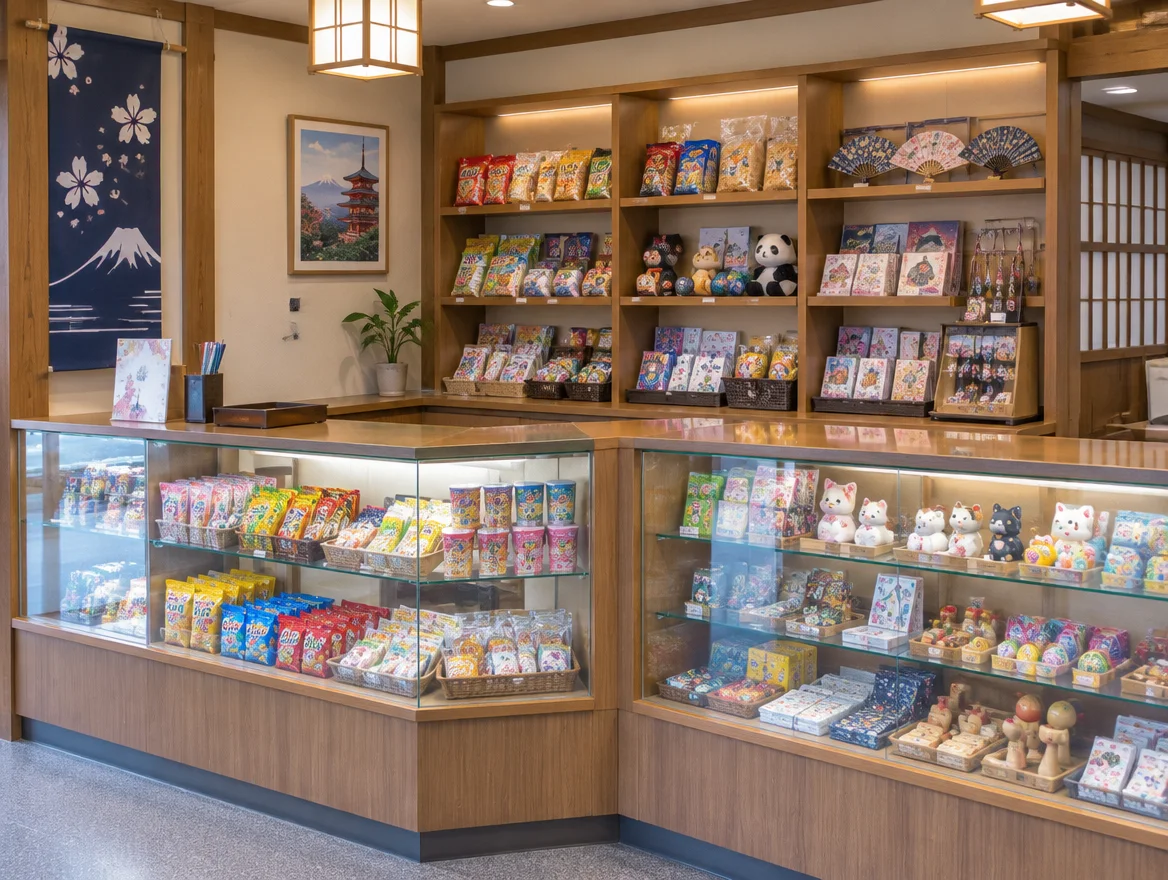
The prize counter (景品カウンター) also offers ordinary prizes: daily necessities, snacks, local specialities, brand goods and more (Pachinko Industry Web Reference). Plenty of visitors simply pick snacks or a souvenir and leave. That’s the simplest way to end a session.
Even the ads are regulated
The National Police Agency’s 22 June 2011 notice set out what hall advertising must not suggest: that machines are adjusted to pay out easily, information about odds settings, any involvement in prize buy-back, balls won shown together with buy-back prices, that big wins are easy, or that skill no longer matters. Phrases like “free balls” or “eye-stop service” are out. Allowed topics include new machines, celebrity visits, location, fees, machine types and numbers, and the range of prizes (Greenbelt summary).
That’s why PachiPass never publishes “hot machine” tips, settings rumours or exchange rates. Our parlour pages stick to location, machines, services and language support.
So… is it gambling?
- Under Japanese law: it’s a licensed amusement business, and cash only appears through the independent three-shop workaround.
- To advertising platforms: yes. Google’s ad policy defines gambling as staking something of value on chance with the opportunity to win something of value, and explicitly lists “gaming parlors such as pachinko parlors” as offline gambling (Google Ads policy). TikTok’s definition (betting money or something of value on uncertain outcomes) fits it too (TikTok guidelines).
- To PachiPass: we treat it as gambling where it matters, which is responsible play. It’s real money and a game of chance. Enjoy it as a cultural experience, with a budget. See responsible play.
What PachiPass won’t do
- Name or map exchange shops, or publish exchange rates.
- Link to online “pachinko” or casino sites. Licensed halls are physical venues, and online real-money “pachinko” is a different (and risky) thing.
- Give legal, tax or visa advice.
Quick answers
Is pachinko legal in Japan?
Yes. Pachinko halls are licensed and regulated under Japan's Act on Control and Improvement of Amusement Business (Fūeihō), with licences issued by prefectural public safety commissions.
Is pachinko considered gambling?
Legally it's run as a licensed amusement business, and halls are banned from paying out cash or buying back prizes. In practice, prizes can be sold for cash through a separate, independent shop: the 'three-shop system'. Advertising platforms such as Google classify pachinko parlours as offline gambling. PachiPass treats it as gambling when it comes to responsible play.
How do people get cash from pachinko?
The hall swaps balls for prizes, including 'special prizes' such as small pieces of gold. A legally separate exchange shop may buy special prizes for cash, and a wholesaler sells them back to the hall. This only holds up legally while the exchange shop is genuinely independent of the hall.
Do I have to exchange for cash?
No. You can choose ordinary prizes such as snacks, drinks, household goods or souvenirs at the prize counter and skip the exchange entirely.
Sources
- Pachinko Industry Web Reference – Pachinko and the Law
- Fuei Journal – Fūeihō Article 23 explained (Japanese)
- e-Gov – Act on Control and Improvement of Amusement Business (official law database, Japanese)
- Greenbelt – summary of the NPA's 22 June 2011 notice on hall advertising (Japanese)
- Japan Guide – Pachinko
- Pachinko Industry Web Reference – Playing Pachinko and Exchanging for Prizes
- Japan Travel – MARUHAN Shinjuku (hall has no ties to exchange businesses)
- Google Ads – Gambling and games policy
- TikTok – Community Guidelines: regulated commercial activities
Facts on this page were last checked against these sources on 4 October 2026. Rules, prices and venues change, so always follow the signs and staff at the venue.